
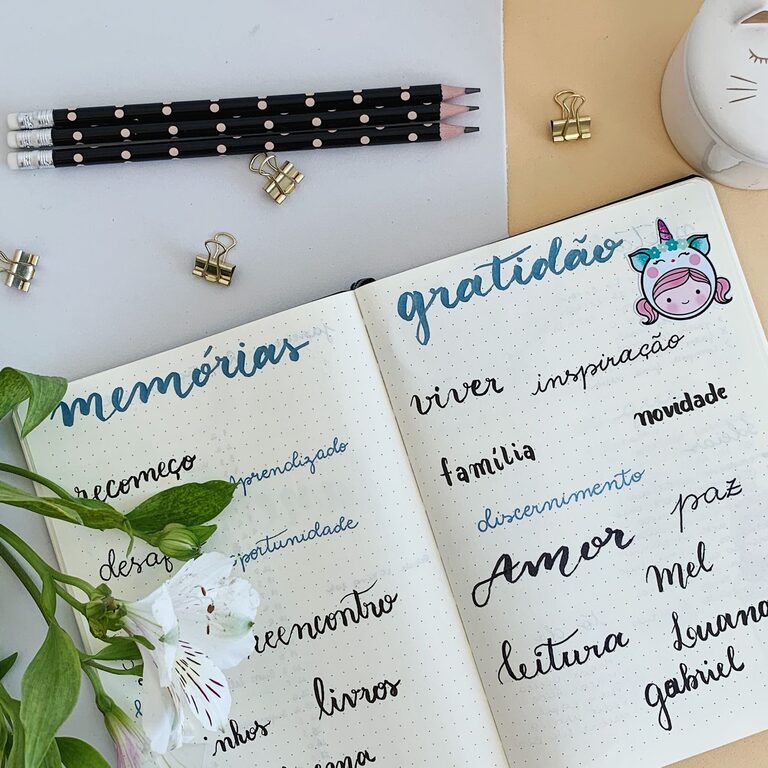
Gratitude journaling is a powerful and accessible way to bring more positivity and mindfulness into your life. By regularly reflecting on the things you appreciate, you can boost your mood, reduce stress, and improve overall well-being. If you’re new to this practice or unsure how to get started, this guide will walk you through the basics of keeping a gratitude journal.
What Is a Gratitude Journal?
A gratitude journal is simply a dedicated notebook or digital document where you regularly write down things you are thankful for. These entries can be big or small, from meaningful relationships to a warm cup of coffee on a chilly morning. The key is to focus on positive experiences and emotions to help shift your mindset toward appreciation.
Why Keep a Gratitude Journal?
Research shows that practicing gratitude can have numerous benefits, such as:
– Improved mental health by reducing negative emotions like envy and resentment
– Better sleep quality and longer duration
– Increased happiness and life satisfaction
– Strengthened relationships through recognizing the good in others
– Enhanced resilience against stress and adversity
Even spending a few minutes each day on this simple habit can lead to noticeable positive changes.
How to Start Your Gratitude Journal
1. Choose Your Journal Format
Think about how you want to keep your journal. Some options include:
– A physical notebook or diary
– A journaling app on your phone or tablet
– A simple document on your computer
– An email to yourself or a private blog
Pick what feels most natural and convenient so you’ll be more likely to stick with it.
2. Set a Regular Time
Decide when you will write in your gratitude journal. Many people find it helpful to do this:
– First thing in the morning to start the day positively
– Right before bed to reflect calmly on the day
– During a quiet break or lunch hour
Try to make it a consistent habit by linking it to an existing routine, like brushing your teeth or having your morning coffee.
3. Start Small and Be Specific
You don’t need to write a long entry every time. Even listing three things you’re grateful for can make a difference. Focus on specifics rather than general statements; for example:
– “I’m grateful for my coworker, Alex, who helped me with the project.”
– “I appreciate the beautiful sunset I saw today.”
– “I’m thankful for the fresh apples I had for lunch.”
The more detailed you are, the more connected you’ll feel to the positive experience.
4. Use Prompts to Inspire You
If you’re not sure what to write, prompts can be helpful. Here are some examples:
– What made you smile today?
– Name three things you enjoy about your home.
– Who in your life are you thankful for and why?
– What’s a recent challenge that taught you something valuable?
– Describe a kind gesture someone did for you.
These questions can spark reflection and help you find gratitude in unexpected places.
5. Include Positive Feelings
Along with listing items, notice and write about how these things make you feel. Connecting gratitude with emotions deepens the impact and makes the practice more meaningful.
6. Don’t Stress About Perfection
Your gratitude journal is for you—there is no right or wrong way to do it. Some days you may write more, other days less. You might use bullet points, long paragraphs, or even doodles if you like. The goal is to enjoy the process and develop a positive habit over time.
7. Review Your Entries Regularly
Every now and then, take time to read past entries. This can remind you of good experiences and reinforce feelings of appreciation. It’s also encouraging to see how your mindset grows with consistent practice.
Tips for Staying Motivated
– Set a reminder on your phone to journal.
– Keep your journal somewhere visible, like your nightstand or desk.
– Share your gratitude practice with a friend to stay accountable.
– Celebrate small milestones, such as a week or month of journaling.
– Be patient with yourself—building a new habit takes time.
Additional Ways to Cultivate Gratitude
While a journal is a great tool, you can boost your gratitude practice by:
– Expressing thanks verbally or with notes to others
– Meditating on things you appreciate
– Practicing mindfulness to notice positive moments throughout the day
– Volunteering or helping others to foster connection and perspective
Final Thoughts
Starting a gratitude journal is a simple yet effective way to enrich your daily life. With just a few minutes each day, you can develop a more positive outlook and greater awareness of the good around you. Choose your favorite method, set a schedule that works, and begin by writing a few things you’re thankful for today. Over time, this gentle habit can bring lasting benefits to your mental and emotional well-being. Happy journaling!